Pool Fall Detector
ESP32-C6 + IMU splash/fall detection with optional LoRaWAN alerts for pool safety.
Florida Maritime Initiative
OSDC is helping connect practical ocean engineering, regional maritime capabilities, environmental priorities, emerging technology, and Treasure Coast opportunities.
Live Data • Connected Ocean Systems
AI, data systems, and connected domain approaches help turn ocean observations into useful, scalable information products for science, operations, and emerging maritime applications. OSDC is extending that work from sensors and field systems through communications, web services, and real-time data presentation.
View Real-Time DataOcean Systems Development Corporation (OSDC) is a family owned ocean technology company.
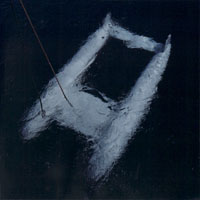
OSDC is working towards designing and building prototypes for applied government, academic, and private sector research. We seek to solve practical problems related to the ocean environment.
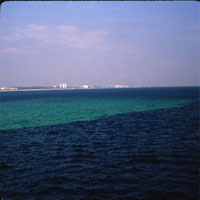
OSDC is committed to a clean environment, and we seek to work on relevant contemporary problems of national concern. Oceans are the lifeblood of planet Earth and humankind. They hold nearly 97% of the planet's water.
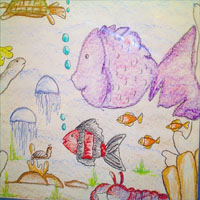
Tomorrow’s leaders need to be equipped for tomorrow’s challenges. That requires a commitment to providing children with environmental education that helps them become the educated thought leaders of tomorrow.
the corporate culture
The Marine Technology Society's guiding purpose is to promote awareness, understanding, advancement and application of marine technology.
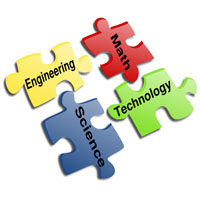
OSDC and Our affiliate senior scientists and engineers volunteer to support K-12 STEM (science, technology, engineering, and mathematics) education, foster STEM literacy, and motivate students to pursue STEM careers.

A better company, better for workers, better for communities, and better for the environment. OSDC uses the power of business as a force for good.
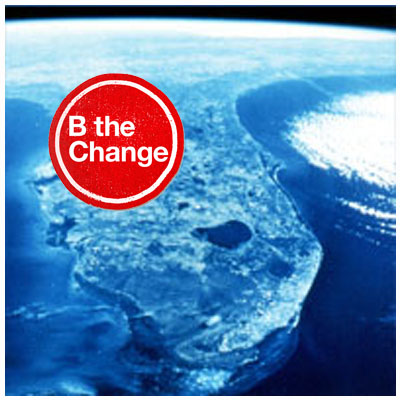
Florida has more coastline, diversity of marine habitats, and offshore area, than any other state in the continental U.S. Florida is the epitome of an ocean state.
OSDC Provides Ocean Engineering Consulting, Prototypes, and Services
OSDC developes hardware and software in support of Mariculture, Defense, and Ocean Systems Research and Development.
Through existing negotiated service and support agreements OSDC works at sea and can provide ships and ship services .
OSDC is partnering with complementary ocean service and product manufacturers to provide a full spectrum of ocean related service and product dependent solutions.
To solve a wide variety of problems OSDC staff includes diversified engineering technologists.
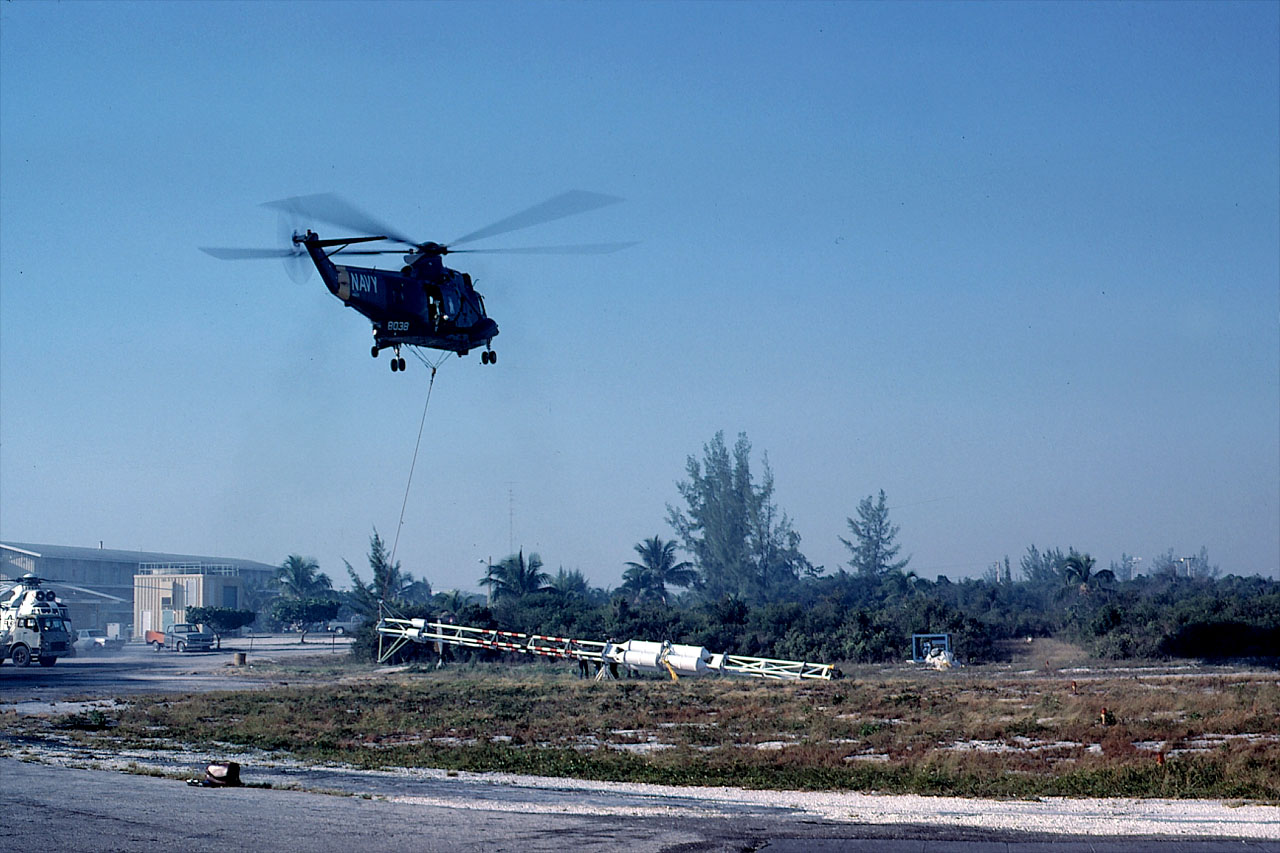
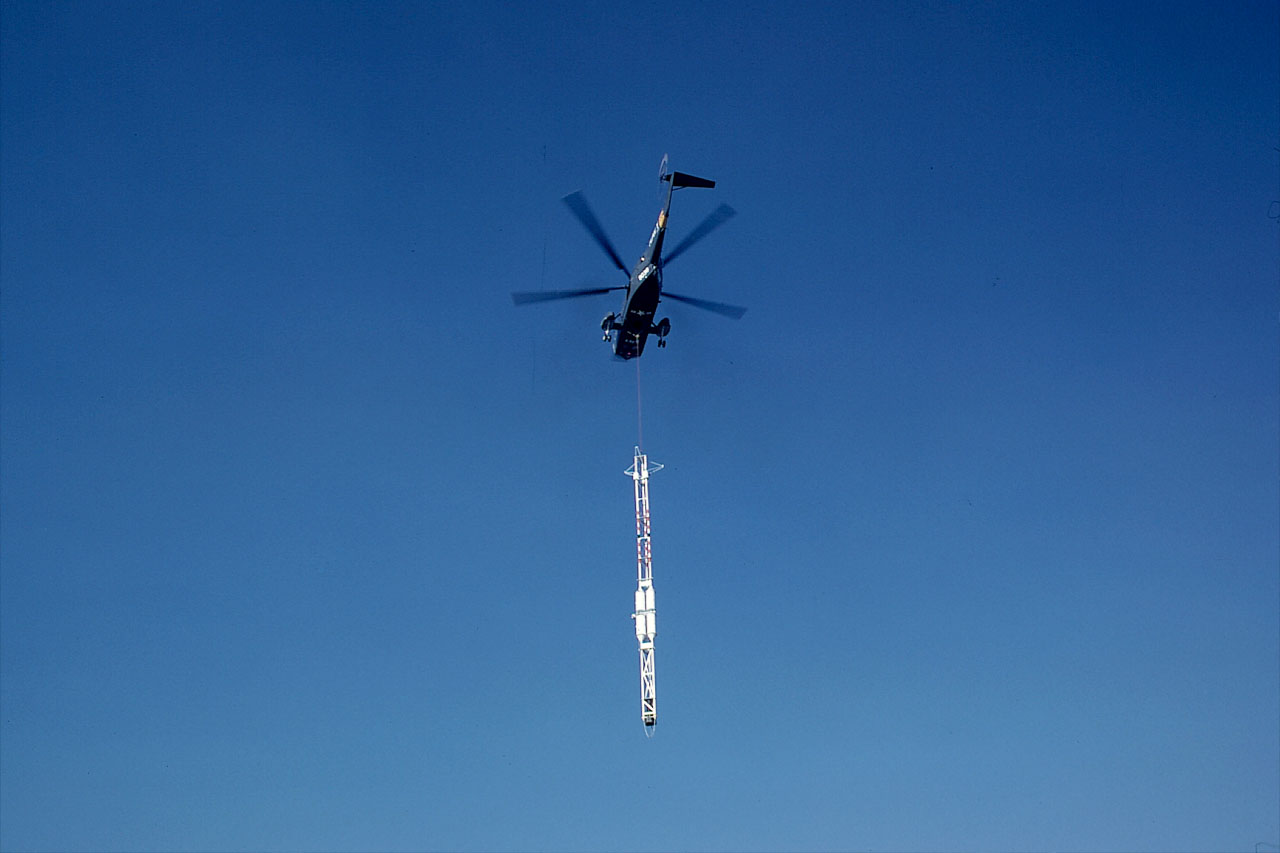
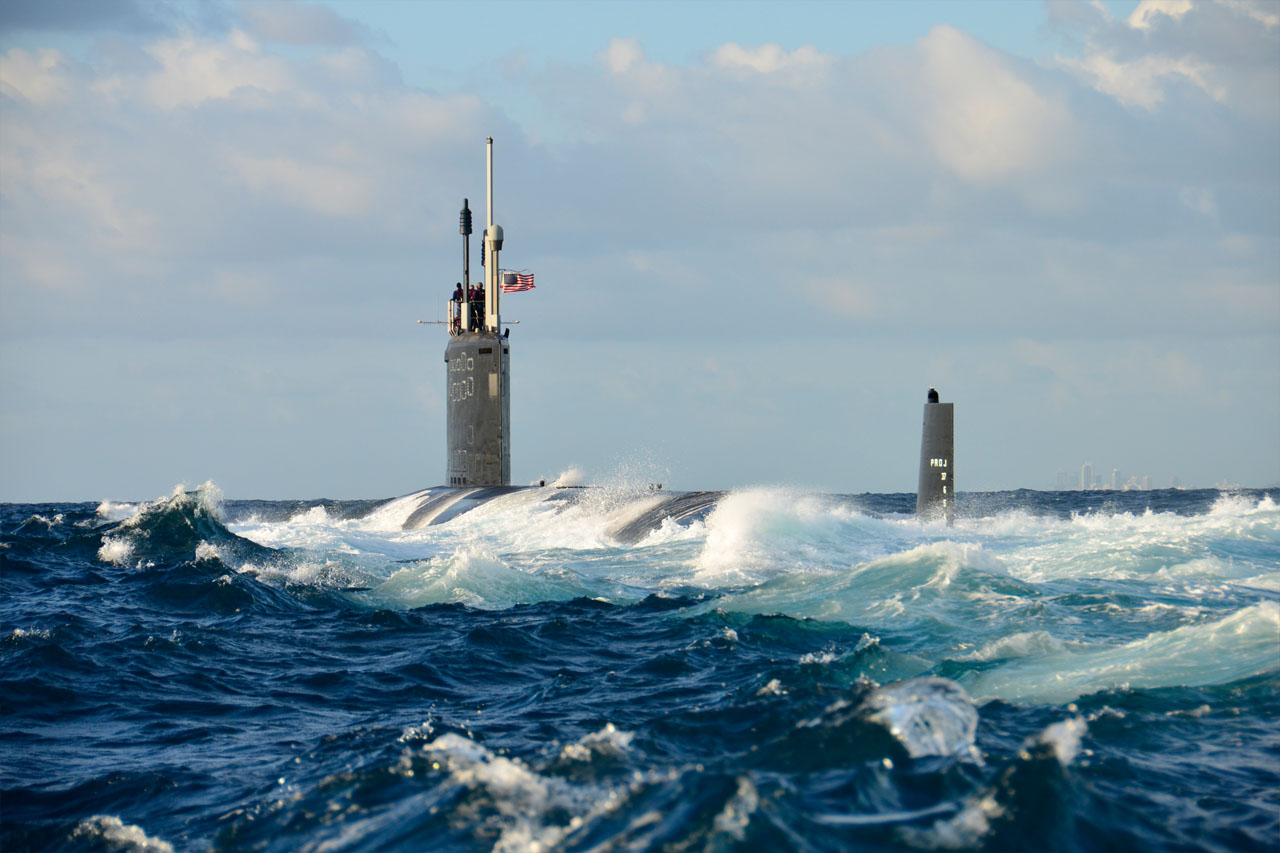
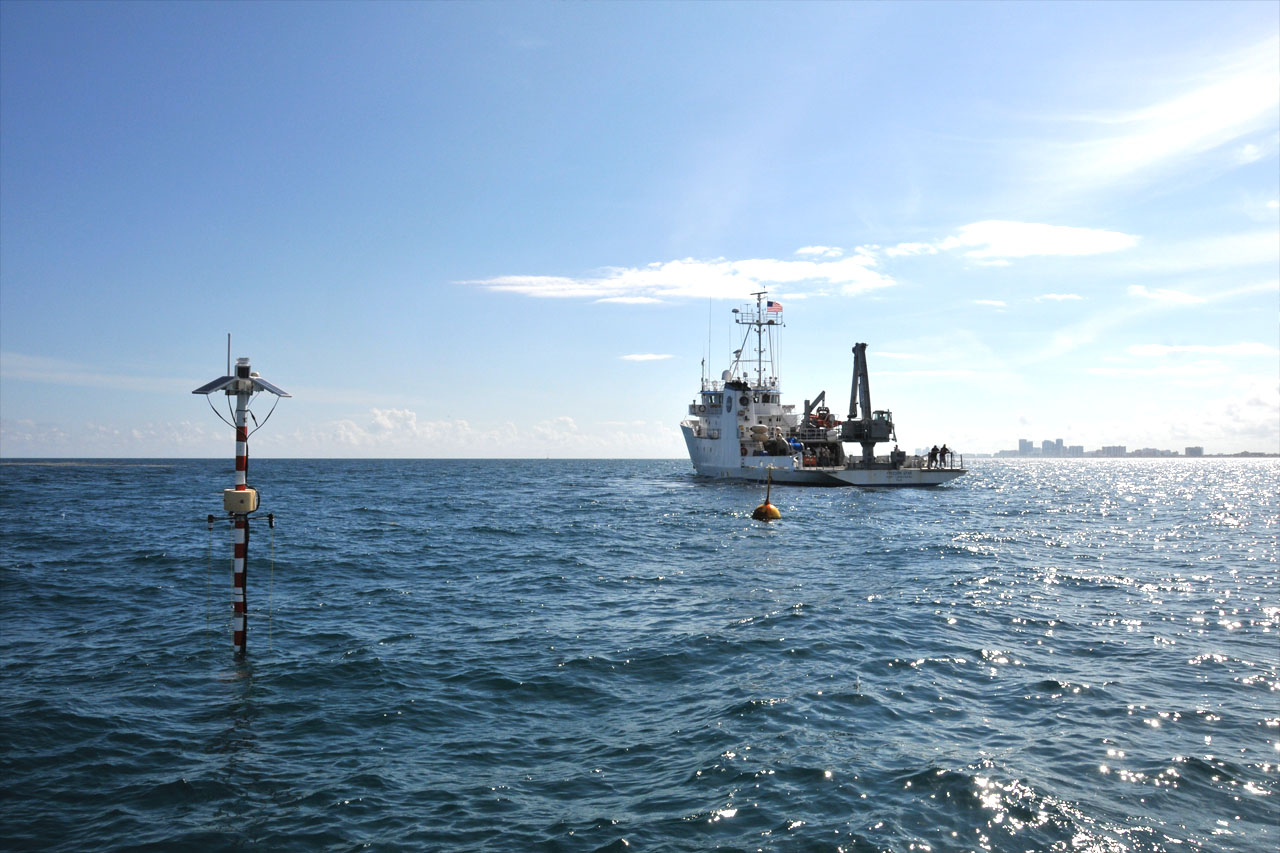
Pictures of the wide variety of projects related to the ocean environment supported by OSDC.
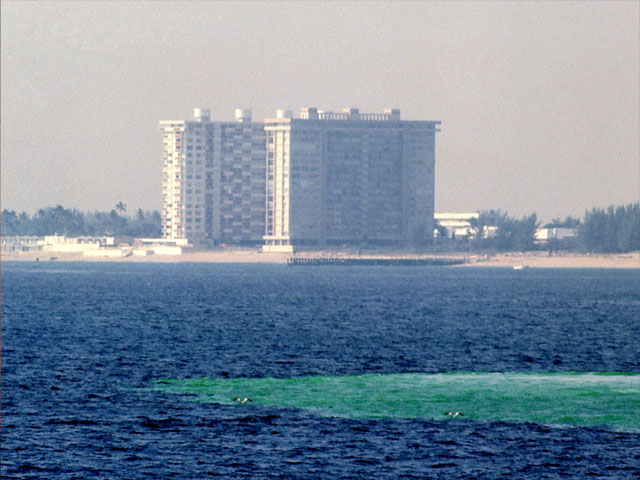
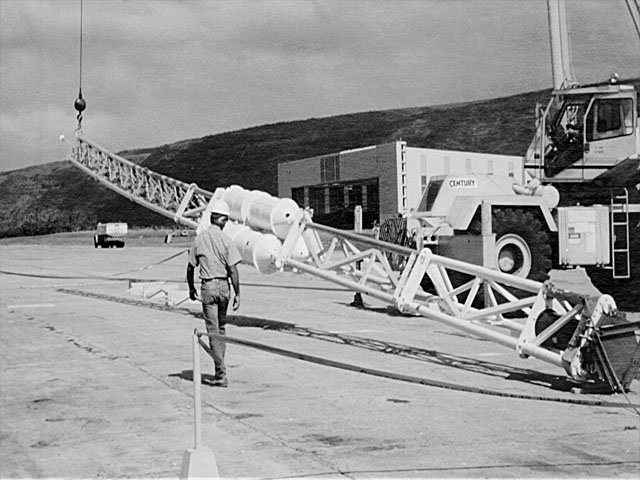
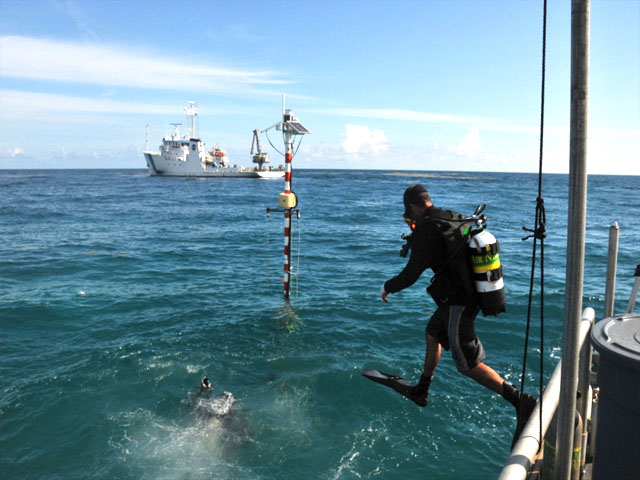
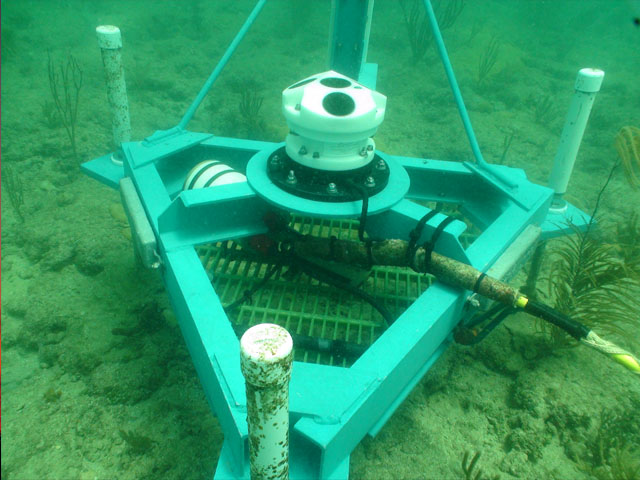
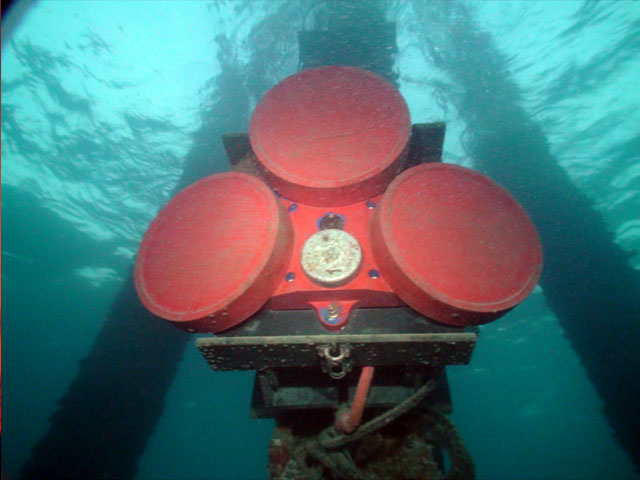
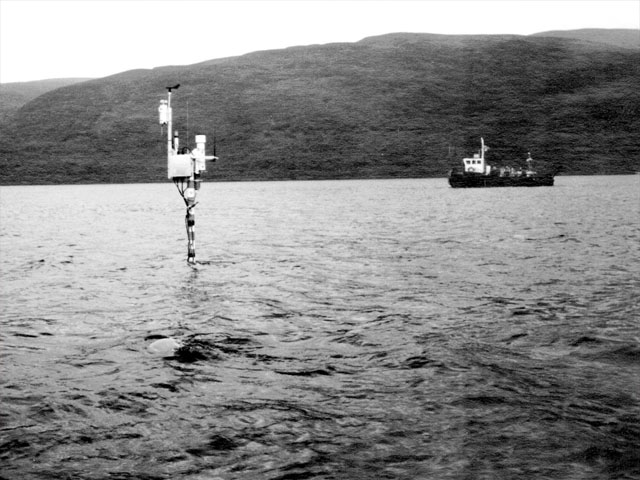
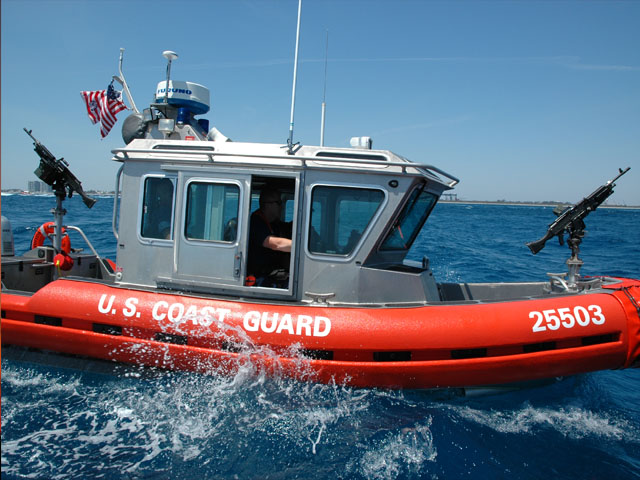
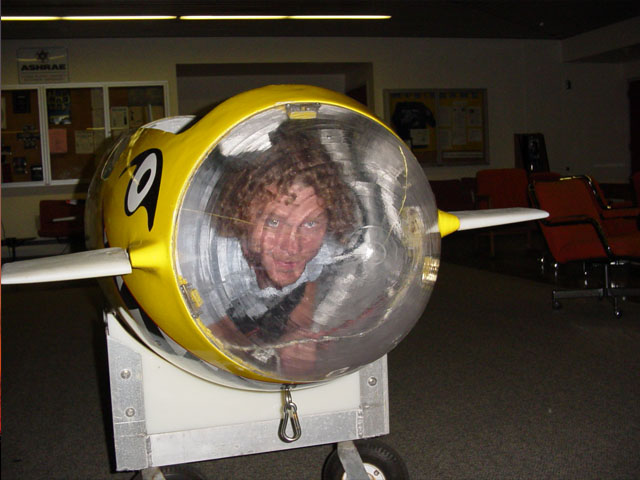
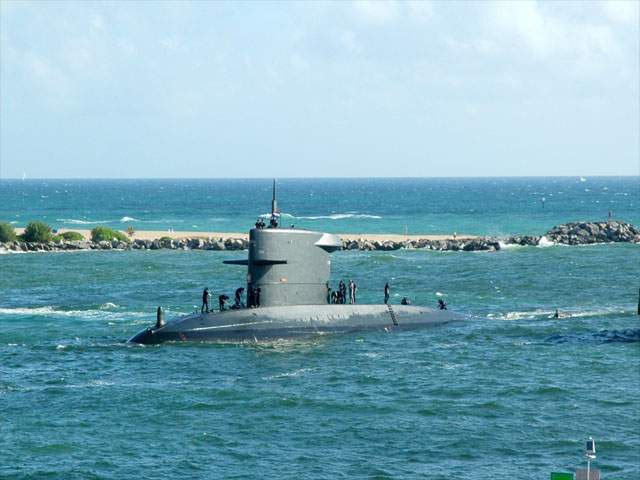
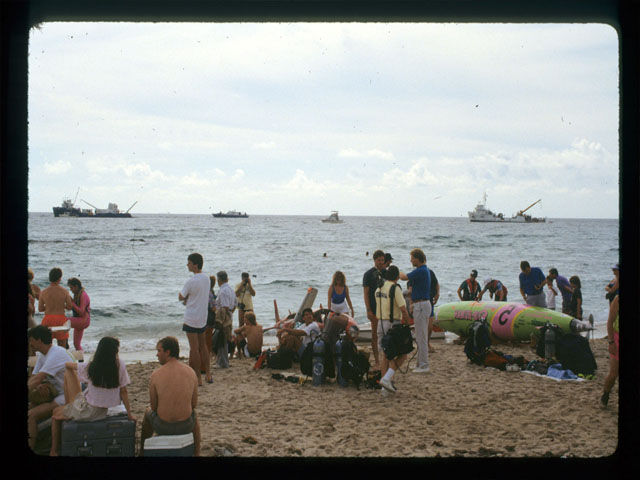
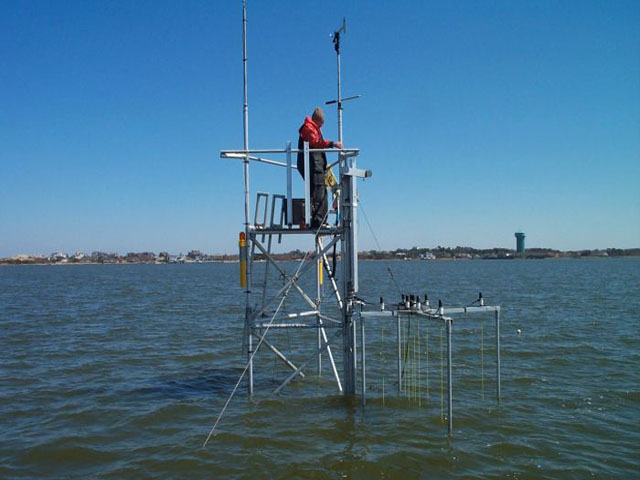
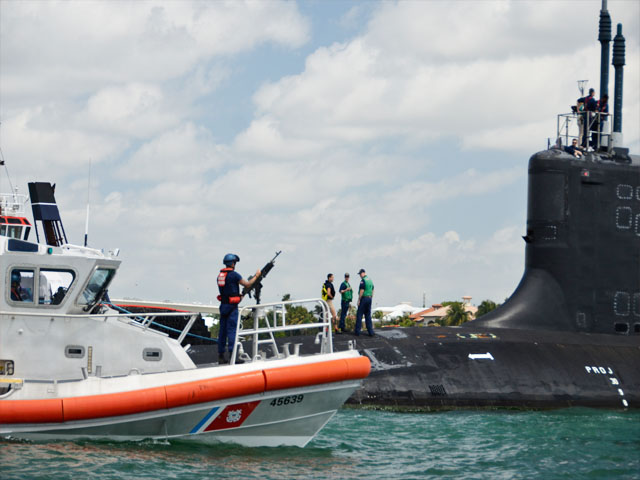
All OSDC senior staff hold advanced degrees in relvant disciplines and possess significant experience.
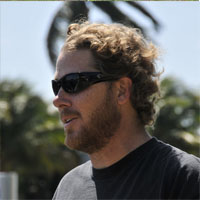
Ocean Engineer with a lifetime of marine experience. Knows his way in and around ocean operations. Successful completion of academic, industrial, and military projects. Marine Operations lead.

CEO Has detailed ocean science, technology, and equipments knowledge and experience.

Chief Financial Officer.
The common thread is solving practical problems related to the ocean environment
Waterway Expert Traffic System (WETS) advances practical coastal monitoring, vessel wake detection, and operational data reporting using modern sensing, communications, and web-based tools.

Common Coastal Spar Buoy and related prototype systems support environmental sensing, instrumentation hosting, and practical field deployment from shore to offshore applications.
Modeling and simulation support system design, environmental interpretation, and the practical understanding of ocean processes affecting sensors, platforms, and operations.

Operationalizing the Waterway Expert Traffic System Using a Common Coastal Spar Buoy summarizes OSDC's progression from the original WETS hazardous-wake monitoring work to a modern, modular Common Coastal Spar Buoy platform for sensing, communications, field demonstrations, environmental monitoring, and repeatable maritime experiments.
The presentation brings together the CCSB/WETS development path, current prototype work, and the broader goal of connecting academic, government, industry, and operational experience.
View 2026 MTS Buoy Workshop PresentationManufacture submersible wave gauges, wave staffs, wave loggers, wireless wave staffs, and sonic wave sensors.
Innovative user-friendly ocean dive systems.
Commercial diving inland, coastal, and offshore waters. One of OSDC's longest associates.

Patented FAD design and monitoring of artificial reef systems.

Advanced ocean engineering and technology solutions.

Global ocean sensing and data platform.

Marine dynamics simulation software, including OrcaFlex.

Underwater navigation and acoustic positioning systems.

Marine simulation and digital twin technology.

Solutions to the complex and complicated task of working in the offshore environment of our world.

ESP32-C6 + IMU splash/fall detection with optional LoRaWAN alerts for pool safety.
CCSB-mounted wave staff + pressure sensing to classify hazardous wakes and notify stakeholders.